Free Drinks, Zero Pay: The Dirty Truth About Scottsdale's Nightlife Pyramid Scheme
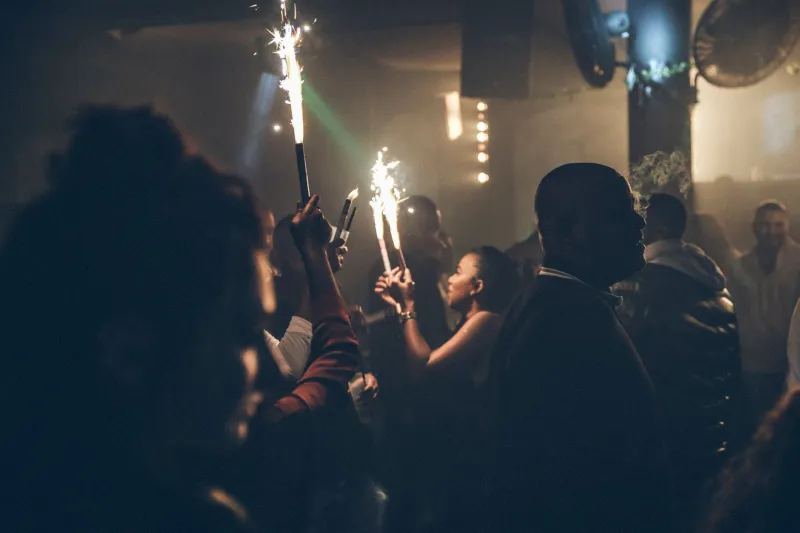
Let's paint a picture. You're 23, you're new to Scottsdale, and you've got a decent Instagram following — maybe 8,000 followers, solid engagement, a highlight reel that makes your life look significantly more glamorous than it actually is. Then a guy in a fitted blazer slides into your DMs. He tells you he can get you into the best rooms in Old Town, no cover, no wait, free drinks all night. All you have to do is "bring your crew and post a little content."
Sounds like a win. It is not a win.
What you've just been recruited into is one of the most elegantly constructed unpaid labor schemes in the American entertainment industry — a pyramid so sleek and sun-bleached it barely registers as exploitation. Welcome to the Scottsdale nightlife economy, where the currency is clout, the wages are complimentary vodka sodas, and the only person cashing a real check is the guy who just slid into your DMs.
The Pitch Is Always the Same
Talk to enough former promoters and a pattern emerges with almost eerie consistency. The initial pitch is always framed as access, not work. You're not being hired — you're being invited. You're not an employee — you're a connector. The distinction matters psychologically, because employees expect compensation. Connectors feel lucky to be included.
"They make you feel like you're part of something exclusive," says Marcus, a 26-year-old who spent two years promoting for venues along the Old Town corridor before burning out completely. "The first few weeks you're getting comped tables, you're meeting venue managers, you're posting photos that make your friends jealous. It feels like a career move. Then slowly you realize you're doing unpaid marketing for a bar that's pulling in six figures on a Saturday night."
The ask escalates gradually. First it's a few Instagram stories. Then it's mandatory attendance at mid-week nights when the venue is struggling to fill seats. Then it's a quota — bring five people minimum, or the table comp disappears. The free drinks, it turns out, were never free. They were an advance on labor you didn't know you'd agreed to perform.
The Bottle Girl Bargain
The bottle service model is where the economics get genuinely surreal. Bottle girls — and it's almost exclusively women in this role, which is its own conversation — operate in a zone that blurs the line between service industry work and performance art. They're technically employees, but the job description extends so far beyond pouring alcohol that the hourly wage becomes almost satirical.
They're expected to maintain a curated social media presence that promotes the venue. They're expected to recruit clientele — meaning their personal relationships are monetized on behalf of their employer. They're expected to look a very specific way, dress a very specific way, and project an aspirational energy that keeps tables spending. One former bottle girl, who asked to remain anonymous, put it bluntly: "You are the product. The bottles are just props."
The financial math is genuinely wild. On a strong night, a bottle girl can pull decent money in tips. On a slow night — or a night where her assigned table is occupied by a group of guys who ordered the minimum and nursed it for four hours — she might walk out with less than minimum wage after tip-out to support staff. The venue, meanwhile, charged that table $600 for $80 worth of alcohol and a bucket of ice.
The Influencer Layer
Above the promoters and below the venue owners sits the influencer tier, and this is where the pyramid gets truly baroque. Scottsdale has a thriving micro-influencer ecosystem — people with followings in the 5,000 to 50,000 range who trade content for access with the transactional efficiency of a commodities market.
The arrangement seems mutual on the surface. Venue gets exposure. Influencer gets free entry, comped food, maybe a gifted cocktail or two. Everyone wins. Except the influencer is producing professional-quality marketing content — photography, video, copywriting — for zero dollars, while the venue reposts it to their own channels and uses it in paid ad campaigns.
"I spent probably four hours on a single post for a restaurant opening," says Dani, a lifestyle content creator who's been navigating Scottsdale's scene for three years. "Outfit, photography, editing, caption, hashtag research. They reposted it, used it in a Facebook ad, and sent me a $40 gift card. I've done the math. I made less than ten dollars an hour."
The psychological hook that keeps people in the arrangement is the promise of the next level. The implication is always that if you keep showing up, keep posting, keep delivering, you'll eventually ascend to the tier where the real money flows. A brand deal. A paid ambassadorship. A legitimate management relationship with a major venue group. It does happen — occasionally, for a very small number of people. Which is precisely what keeps everyone else grinding.
Who Actually Gets Paid
The venue operators. The venue owners. The talent buyers who negotiate with DJ agencies. The liquor distributors who place their product in high-visibility rooms and call it marketing. The VIP hosts who've been in the game long enough to command a salary plus commission. These are the people extracting real value from the machine.
Everyone else is infrastructure. The promoters are a distributed, self-funded sales force. The influencers are a content department that costs nothing. The bottle girls are brand ambassadors who also happen to carry bottles. The patrons — the civilians who show up on a Saturday thinking they're just going out — are the revenue source that makes the whole apparatus function.
It's not a conspiracy. Nobody is sitting in a back office twirling a mustache. It's just a system that evolved to extract maximum value from people's desire to feel included, visible, and important. Scottsdale didn't invent this model, but it has perfected it with a particular desert ruthlessness.
The Exit Is the Hardest Part
Marcus eventually quit after a venue manager told him his "energy was off" and reassigned his best tables to a newer, younger promoter. He wasn't fired — firing would have implied employment. He was simply deprioritized until the access dried up and there was no reason to keep showing up.
"The worst part," he says, "is that I genuinely loved it for a while. I felt like I mattered in those rooms. And then one day I didn't, and I realized I never actually did. I was just useful."
That's the closing move of every pyramid: by the time you figure out you're not at the top, you've already recruited the next layer below you. The machine doesn't need your loyalty. It just needs your contact list and your story to tell the next 23-year-old with a decent Instagram following and a hunger to belong.
The DMs are already sent. The blazer guy is already waiting.
Check your requests folder.