Last Call for Scottsdale: The Young and the Restless Are Drinking Somewhere Cheaper
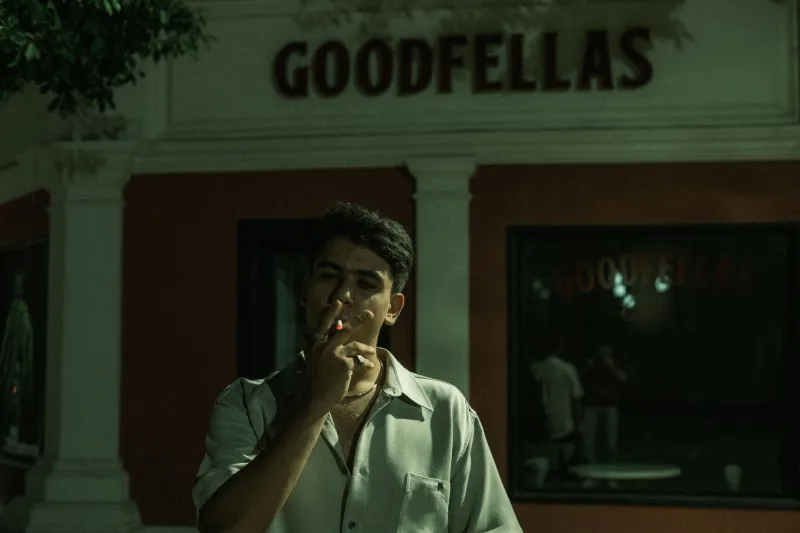
Something is happening in the Valley, and if you've been paying attention, you already feel it. The lines outside Old Town's velvet-rope cathedrals are a little shorter. The parking lots on Scottsdale Road have a few more open spaces on a Friday night. The Instagram geotags are pointing somewhere new. Tempe. Chandler. Mesa, even — Mesa — and nobody's apologizing for it.
Scottsdale's grip on the Valley's nightlife crown, the one it's been squeezing since the early 2000s like a bottle of Grey Goose that never quite empties, is starting to loosen. Not dramatically. Not all at once. But enough that industry insiders are noticing, bartenders are talking, and a growing number of twenty- and thirty-somethings are openly admitting they'd rather spend a Saturday night in Tempe's Mill Avenue district or at one of Chandler's increasingly solid craft cocktail spots than perform another lap around Scottsdale's gilded hamster wheel.
So what's actually going on? We pulled up a barstool — a cheap one, in a bar with exposed ductwork and no bottle service menu — and started asking questions.
The Price of Admission Has Gotten Ridiculous
Let's start with the obvious. Scottsdale has always been expensive. That was kind of the whole point. You came here to spend money, to be seen spending money, and to convince yourself that the $18 gin and tonic somehow tasted better because the bartender had cheekbones and the lighting was flattering.
But somewhere between the pandemic reopening and the current moment, the pricing stopped feeling aspirational and started feeling punitive. Cover charges that used to be a suggestion are now $40 minimums. Bottle service packages that once felt like a fun splurge now require a small business loan. And the food? Don't get us started on the food. Scottsdale's restaurant-bar hybrid model has perfected the art of charging steakhouse prices for food that gets ignored because everyone's too busy taking pictures of it.
Jordan, 28, a graphic designer who relocated to Tempe two years ago after five years of renting in Scottsdale, puts it plainly: "I was spending $200 on a Saturday night and waking up Sunday feeling like I'd been robbed. Not hungover. Robbed. In Tempe I spend $60, have an actual conversation with someone, and remember the night."
That math is doing a lot of heavy lifting for a lot of people right now.
Tempe Remembered It Was a College Town (And Leaned In)
Tempe never fully shed its reputation as Scottsdale's scrappier little sibling — the one who showed up to the party in a band tee instead of a blazer. For years that felt like a liability. Now it's starting to feel like a superpower.
Mill Avenue has quietly undergone a real evolution. Yes, the old-school dive bars are still there, God bless them. But the last few years have brought genuinely interesting cocktail bars, independent music venues with actual programming, and a food scene that's doing creative things without charging you for the ambiance. Cocktail culture here feels like something people are into rather than something people are performing.
"Tempe has this energy right now where people are actually present," says Marcus, a bartender who spent six years behind the stick in Scottsdale before jumping to a Tempe craft bar eight months ago. "In Scottsdale, half the room is on their phone the whole night. Here people are actually talking to each other. It sounds small but it completely changes the room."
It sounds small. It is not small.
Chandler Is Playing the Long Game and Winning
If Tempe is the obvious alternative, Chandler is the sleeper pick that's quietly becoming a real contender. The city's downtown corridor has matured into something legitimately worth the drive — a mix of independent restaurants, wine bars, and cocktail lounges that attract a slightly older demographic (think late 20s to late 30s) who have disposable income but zero patience for manufactured exclusivity.
The vibe in Chandler is what Scottsdale pretends to be when it's trying to attract locals instead of bachelorette parties: sophisticated without being insufferable, social without being performative. Restaurants here are actually trying to cook good food instead of just designing an Instagram moment. Bars are actually trying to make good drinks instead of just building a TikTok-friendly backbar.
Amy, 33, a marketing director who now lives in Chandler after a decade-long stint in Scottsdale, describes the shift this way: "I don't miss Scottsdale at all, which honestly surprised me. I thought I'd feel like I was missing out. Instead I feel like I escaped something."
Escaped. That's a word that keeps coming up.
Is Scottsdale Actually Worried?
Here's where it gets complicated. Talk to venue owners and operators in Scottsdale and most of them will shrug off the migration narrative. They'll point to packed weekends, strong revenue numbers, and a relentless pipeline of bachelorette parties, corporate events, and out-of-town visitors who specifically come to Scottsdale because it's Scottsdale. The brand still travels. The reputation still converts.
And they're not entirely wrong. Scottsdale's tourism-driven nightlife economy is structurally different from a local-dependent market. The city doesn't need its own residents to fill the bars — it imports customers from Phoenix, from the Midwest, from everywhere, on a weekly basis. The machine keeps running.
But here's the thing about a nightlife scene that survives entirely on imported energy: it hollows out. The local regulars who give a venue its personality, its texture, its actual culture — they leave first. What's left is a very expensive, very polished product that exists primarily for people who've never been there before and won't be back for another year. It's a theme park. A gorgeous, aggressively lit, $24-cocktail theme park.
"Scottsdale is becoming a destination and losing the plot as a scene," says Marcus, the transplant bartender. "Those are two different things. You can be a great destination and have a dead local scene. Plenty of cities have done it."
The Vibe Has Shifted. The Question Is Whether Scottsdale Cares.
The honest answer, the one nobody in the industry wants to say out loud, is that Scottsdale's power structure doesn't necessarily need the young local crowd to survive. The economics still work without them. The Instagrams still get posted. The reservations still fill up.
But something is quietly being lost in the transaction. The spontaneous energy. The regulars who know the bartender's name. The nights that don't have a dress code or a minimum spend or a velvet rope with a guy in a headset deciding whether your life is worth living.
Tempe has that right now. Chandler is building it. Scottsdale used to have it, back before it decided that ambiance was a product and exclusivity was a business model.
Maybe it gets it back. Maybe it doesn't. Maybe it doesn't care.
Either way, the kids are drinking somewhere cheaper tonight. And honestly? Good for them.