Bloom and Bust: Why Every Scottsdale Instagram Hotspot Has a Six-Month Expiration Date
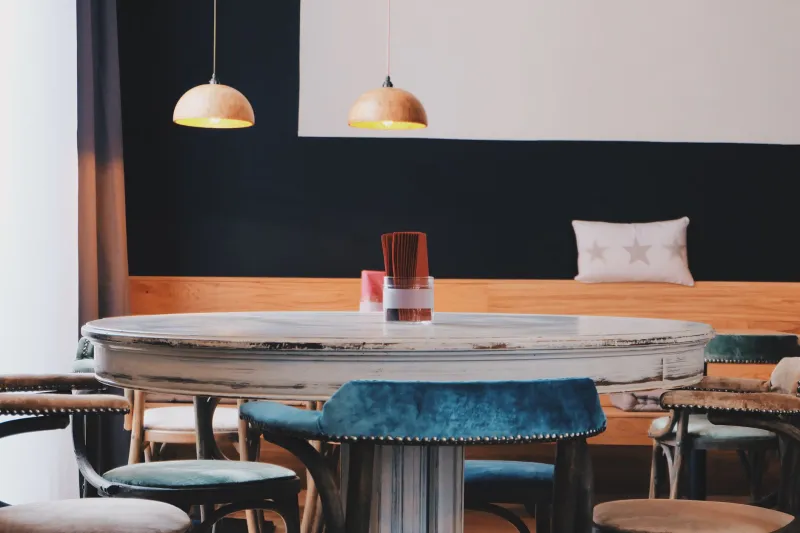
Every city has a version of this story. But Scottsdale has perfected it into something almost poetic in its predictability. A spot opens. Someone with 40,000 followers posts a Reel. The algorithm catches fire. Within six weeks there's a two-hour wait, a velvet rope that wasn't there before, and a DJ who costs more than the venue's original monthly rent. Within six months, the original crowd is long gone, the DJ has moved on, and the wait is now zero minutes because nobody interesting goes there anymore.
Welcome to the Scottsdale Bloom-and-Bust Cycle. Population: every "it" spot you've ever loved and then quietly stopped mentioning.
Phase One: The Discovery (Weeks 1–6)
It always starts the same way. A new restaurant opens with genuinely good light — the golden-hour kind that makes even a mediocre cocktail look like a Renaissance painting. Or a mural goes up in a neighborhood that still has character. Or a rooftop bar debuts with a view that's legitimately worth the Uber.
The first people through the door are the ones who matter: the food writers, the local creatives, the people who spend their lunch breaks reading about what's opening before it opens. These early adopters are the social infrastructure that makes a place feel alive. They bring their friends, who bring their friends, and for a brief, beautiful window — maybe six weeks, maybe eight — the spot has actual energy.
This is the phase worth experiencing. The staff still cares. The menu hasn't been simplified for volume. The bartender will make you something off-menu if you ask nicely. The photos from this window are genuinely good because the vibe is genuinely good.
Phase Two: The Explosion (Weeks 6–16)
Then someone with a following discovers it. Not a local micro-influencer — those people are actually useful to the ecosystem. We're talking about the travel-content machine: the accounts that post "Hidden gems in Scottsdale 🌵" to an audience of 200,000 people who've never been within 50 miles of the 85251 zip code.
The post goes up on a Tuesday. By Friday the wait is 90 minutes. By the following weekend the original crowd has already started the group chat conversation that goes: "Is it still good? I heard it's gotten really crowded." It has. It will not recover.
The venue responds to the surge the only way a business rationally can: by optimizing for volume. The interesting small-batch cocktail gets replaced by a batched version that can be made in 30 seconds. The chef who was doing something creative gets overwhelmed and starts cutting corners. The staff turnover spikes because the job just got significantly harder.
The place still looks great in photos. That's the trap.
Case Study: The Mural Wall That Ate Itself
Without naming names — because the cycle is the story, not the venue — consider what happened to one of Old Town's most photographed exterior walls about two years ago. A local artist painted something genuinely stunning. The early photos were beautiful because the wall was beautiful and the neighborhood still had texture.
By month three, the property owner had noticed the foot traffic and negotiated a brand sponsorship for the wall space. The mural got repainted with something more "brand-aligned." The neighborhood texture got smoothed out by the attention. The people who made the original photos compelling moved on.
The wall still exists. People still photograph it. But the photos now look like every other brand activation in every other Sun Belt city. The soul left when the deal got signed.
Phase Three: The Tourist Plateau (Months 4–8)
This is the longest phase and the saddest one to witness. The spot is now running at maximum capacity, minimum authenticity. The clientele has shifted from locals to visitors who found it on a "Best of Scottsdale" list that was accurate six months ago.
The original crowd has fully evacuated. The staff is running on autopilot. The menu is frozen. Nothing is evolving because nothing needs to — the tourists keep coming regardless, because the algorithm keeps serving the content from Phase One, when the place was actually good.
If you visit during this phase, you will have a perfectly adequate experience. You will also have the exact same experience as the 400 other people who visited that week. The photos will look fine.
Phase Four: The Collapse (Months 8–18)
The tourists eventually move on to the next thing the algorithm serves them. The locals never came back. The venue, having optimized itself into a tourist trap, now has neither audience. A slow bleed follows: reduced hours, staff cuts, a happy hour that gets more aggressive by the week.
Sometimes the place closes. Sometimes it pivots — new concept, same space, hoping to restart the cycle. Occasionally the pivot works, which is genuinely impressive. Usually it doesn't.
How to Spot the Next 'It' Spot Before It Dies
The good news: the early window is real and it's worth chasing. Here's your cheat sheet.
Watch the local food writers, not the influencers. The people who cover Scottsdale's dining scene for actual publications are in these places weeks before the algorithm notices. Follow them, not the travel content machine.
Look for neighborhoods with friction. The next great spot is probably somewhere slightly inconvenient, slightly rough around the edges, slightly hard to park near. If it's easy to find and easy to access, it's already been found.
Go on a Tuesday. Seriously. The early-adopter crowd doesn't go on Saturdays. The vibe you're chasing lives on weeknight visits.
Trust your gut about the staff. When the people working the room seem genuinely excited about what they're serving, you've found it in time. When they seem like they're running a logistics operation, you're too late.
The cycle will keep spinning. Scottsdale will keep producing places that look extraordinary and then consuming them at a pace that would alarm a reasonable person. Your only real option is to get there first — and know exactly when to leave.