Sweat It Out or Pay It Off: Inside Scottsdale's Booming Hangover Industrial Complex
Let's set the scene. It's 10:47 a.m. on a Sunday in Scottsdale. You're horizontal on a hotel bed that costs $380 a night, the blackout curtains are doing God's work, and your mouth tastes like a tequila distillery caught fire inside a Red Bull factory. Your phone has seventeen notifications you're not emotionally prepared for, and your credit card statement is somewhere between a cry for help and a federal investigation.
This is the part nobody posts about.
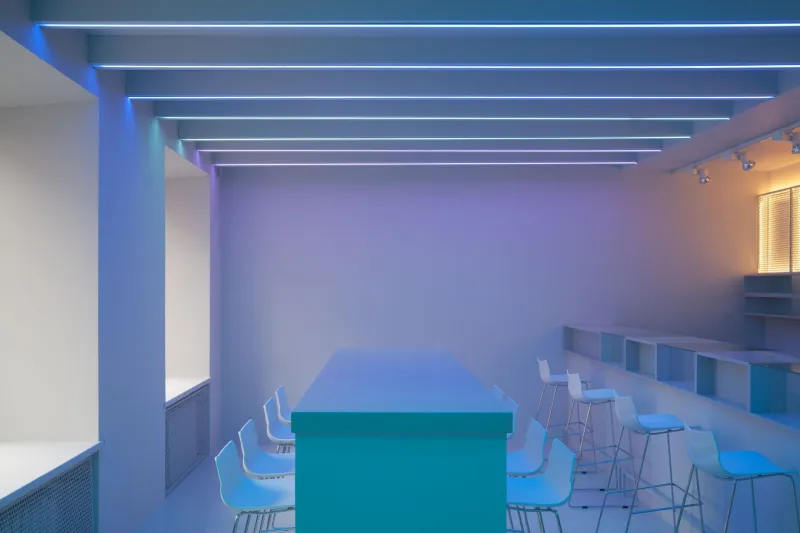
But here's the twist: someone has been waiting for you at this exact moment. They built a business around it. They put it in a strip mall off Scottsdale Road with mood lighting and a Spotify playlist curated for your specific level of self-loathing. And they are absolutely going to charge you $250 to feel like a human being again.
Welcome to the Scottsdale Comedown Economy — and it is booming.
The Hustle That Follows the Hustle
The numbers aren't subtle. The global hangover cure market was valued at over $1.7 billion in 2023 and is projected to keep climbing with the kind of trajectory that makes venture capitalists salivate. In a city like Scottsdale — where the nightlife economy runs on bottle service minimums, bachelorette weekends, and a deeply committed culture of recreational excess — the recovery sector isn't a niche. It's infrastructure.
IV hydration bars have quietly colonized the city's wellness corridors. You can't throw a cold towel in Old Town without hitting one. They have names that sound like energy drinks crossed with yoga retreats: Hydreight, Drip Drop Hydration, Reset IV. They offer menus — actual menus — of intravenous cocktails with names like "The Hangover Cure," "The Party Animal," and, with zero irony, "The Executive." Because nothing says corporate success like getting a saline drip in a recliner at noon on a Saturday.
A standard session runs anywhere from $100 to $300 depending on how many add-ons you're talked into. Glutathione push for your skin? Sure. Extra B12 because you haven't seen a vegetable in four days? Absolutely. Anti-nausea medication because the smell of brunch is a hate crime right now? They've got you.
Science, Snake Oil, or Somewhere in Between?
Here's where it gets genuinely complicated, because the wellness industry loves operating in the gray zone between legitimate medicine and very expensive theater.
IV hydration does work — in a clinical sense. If you're severely dehydrated, getting fluids intravenously is faster than drinking them. Emergency rooms have known this for decades. The question is whether the average Scottsdale patron, who hammered three Ranch Waters and a shot of Patrón, actually needs a medical-grade intervention or just a large Gatorade and a breakfast burrito.
Many physicians will tell you, somewhat diplomatically, that the science supporting boutique IV therapy for garden-variety hangovers is thin. Your kidneys and liver are going to do the same job regardless of whether the hydration comes through a needle or a straw. But physicians also don't have ambient lighting and a check-in process that makes you feel like a celebrity in crisis, so.
The add-ons are where things get murkier. High-dose vitamin C, NAD+ infusions, ozone therapy, cryotherapy chambers, hyperbaric oxygen — Scottsdale's wellness scene has embraced all of it with the enthusiasm of a city that has decided suffering is optional if you have sufficient disposable income. Some of these treatments have emerging research behind them. Some of them have the scientific backing of a wellness influencer's gut feeling. The industry is not required to be particularly transparent about which is which.
The Real Clientele: Confessions from the Recliner
Talk to enough people who've become regulars at these spots and a portrait emerges. It's not just tourists on bachelorette weekends, though they are absolutely a core demographic — the kind of group that pre-books recovery IVs the same way they pre-book pool cabanas, as a line item in the itinerary.
It's also locals. Professionals in their thirties who've built a Friday night ritual that ends at Bottled Blonde and begins the next morning at whatever IV bar doesn't require an appointment. People who've quietly spent more on recovery services in a single quarter than they spent on their gym membership all year.
One woman, a marketing director who asked to remain anonymous because, quote, "my boss does not need to know the extent of this," estimated she'd spent close to $3,000 over eighteen months on IV drips, cryotherapy sessions, and what she described as "a very aggressive relationship with a functional medicine practitioner who kept upselling me on peptides." Did it help? "I mean, I felt better. But I also would have felt better if I'd just gone to sleep earlier. I just didn't want to go to sleep earlier."
That sentence is, essentially, the entire business model.
The Feedback Loop Nobody's Talking About
What the Scottsdale Comedown Economy has quietly engineered is a permission structure. When recovery is this accessible, this normalized, and this aggressively marketed, the implicit message is that the excess that preceded it is fine — manageable, even luxurious. You're not damaging yourself; you're participating in a wellness cycle. The IV bar isn't a consequence, it's part of the experience.
Venues and recovery businesses exist in a symbiotic relationship that nobody officially acknowledges. Some IV bars have started offering mobile units that will come to your hotel or Airbnb. At least one Scottsdale operator has floated the concept of a recovery lounge adjacent to a nightlife venue — essentially a hangover pit stop built into the night out itself. The cycle isn't broken. It's monetized at every point on the wheel.
And the brands that sell you the night — the nightclubs, the bottle service, the event promoters — have zero financial incentive to pump the brakes. Why would they? Someone else is selling the antidote.
What You're Actually Paying For
Strip away the mood lighting and the menu language and what these businesses are really selling is absolution. The chance to walk back into your regular life without carrying the full weight of what you did to your body in a weekend. It's not that different from the broader luxury economy — you're paying to have consequences managed on your behalf.
Is that worth $200? That depends entirely on how much you value your Sunday and how honest you're willing to be with yourself about what got you there.
Scottsdale has always been exceptional at selling the fantasy without the fine print. The party is the product. The recovery is also the product. And somewhere between your first pour and your last saline drip, the city has extracted maximum value from both versions of you.
The desert doesn't care. It just keeps the sun on full blast and lets the economy sort itself out.
Drink your water, maybe.